09 October 2026
Seasonal Pest Control Services in Warren County Every Home Should Consider
Presented by @juliusmcxh279
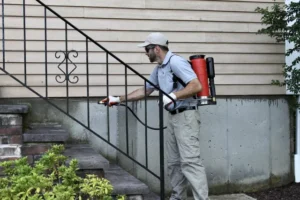
Warren County homeowners deal with a wide range of pest pressures across the year, and the timing matters more than many people realize. A treatment that works well in late spring may do very little for a rodent issue developing in November. A home that looks tight and well maintained can still invite ants during a wet spell, stink bugs during the first cool nights of fall, or mice as soon as grain fields are harvested and outdoor food sources thin out.
That is why seasonal planning usually produces better results than one-time reaction. Pest problems rarely begin on the day they become visible. By the time you notice a trail of ants along the baseboard, hear scratching in an attic, or spot a wasp line tracing the eaves, the activity has often been building for days or weeks. Good service accounts for what pests are doing now, what they are likely to do next, and how the conditions around the home are changing.
For families comparing Pest Control Services Warren County providers, the most useful question is not simply, “What do you spray?” It is, “What tends to happen on properties like mine during each season, and how do you prevent it before it turns into a bigger repair or sanitation issue?” The answer should be specific to local Pest Control Services Warren County affordablepestnj.com housing stock, weather patterns, lot conditions, and the kinds of pests that actually show up in the county.
Why seasonality changes everything
Pests are predictable in one sense and stubbornly opportunistic in another. They follow temperature, moisture, breeding cycles, and access to food. In Warren County, where homes range from older farmhouses and split-level suburban properties to newer developments with tightly insulated envelopes, those variables play out differently from one neighborhood to the next.
A damp crawl space near a shaded tree line creates one set of risks. A slab home with decorative mulch piled against the foundation creates another. A house near corn or soybean fields may see heavier seasonal rodent migration than one in a denser subdivision. Homes backed up to retention ponds or wooded lots often deal with mosquitoes and stinging insects at different levels than homes on more open ground.
This is one reason one-size-fits-all treatment plans often disappoint homeowners. The better approach is seasonal, targeted, and adjusted as conditions change. It also helps separate cosmetic nuisance issues from problems that threaten health, food storage, wiring, insulation, or structural materials.
Spring is the season to get ahead of ants, termites, and early nesting insects
Spring is when many pest problems quietly establish themselves. The weather softens, the ground thaws, and insects that stayed hidden through winter begin searching for food, moisture, and nesting sites. For many Warren County homes, this is the most important time to schedule preventive service rather than waiting for obvious activity.
Ant control belongs near the top of the list. Homeowners often first notice ants in kitchens and bathrooms, especially after rain. What they do not always see is the larger colony pressure outside, around foundations, under stones, in mulch beds, or along expansion joints. Surface sprays can knock back visible workers, but if the service does not account for nesting zones and moisture conditions, the relief may be short-lived.
Termite inspections are also especially valuable in spring. Swarmers often appear when temperatures rise and moisture conditions are favorable. People sometimes confuse termite swarmers with flying ants, which can delay the right response. A proper inspection looks beyond insects themselves and evaluates mud tubes, wood-to-soil contact, excess moisture, grading issues, and hidden entry points around porches, utility penetrations, and crawl spaces. Even when no active infestation is found, spring is a smart time to identify vulnerabilities before the season progresses.
Stinging insects begin scouting too. Queens that overwintered in sheltered spaces start looking for suitable spots to establish new nests. Early intervention on paper wasps around eaves, soffits, shutters, and porch ceilings is far easier than trying to deal with full colonies later in summer. In my experience, homeowners often ignore the first small nest because it seems manageable, then call only after activity builds in a high-traffic entryway.
Spring service also works well for exterior perimeter treatments and habitat adjustments. Clearing leaf debris, trimming back foundation plantings, and correcting areas where mulch is too deep or constantly wet can reduce a surprising amount of insect pressure before summer even begins.
Summer is when nuisance pests become persistent problems
By summer, pest populations can accelerate fast. Heat, humidity, lawn irrigation, outdoor dining, and frequent door traffic all create ideal conditions for insects to move from occasional annoyance to routine disruption. This is the season when many households realize that pest control is not just about comfort. It is also about preserving the usability of outdoor spaces and keeping indoor populations from getting established.
Mosquito service is one of the most practical seasonal investments for Warren County properties, especially where there is standing water, heavy vegetation, shade, or poor drainage. Buckets, clogged gutters, birdbaths, toys, tarps, corrugated drainpipe, and low spots in lawns all become breeding opportunities. Professional mosquito reduction usually works best when treatment is paired with source reduction. Spraying alone cannot solve a property that constantly holds water in half a dozen hidden places.
Tick control is equally important for homes near woods, brushy borders, tall grass, or deer travel corridors. Families with pets and children often think first about bites, but the larger issue is exposure across the whole season. Good service focuses on perimeter zones, transition areas between lawn and woods, ornamental beds, and shaded spots where ticks hold moisture. It should also include practical advice on mowing height, leaf litter, and how groundcover choices affect pest harborages.
Fleas can become a midsummer issue too, especially when pets move between yard and house or when wildlife activity increases around crawl spaces, sheds, or decks. By the time flea bites are obvious indoors, the life cycle may already be established in carpets, upholstery, pet resting zones, or cracks in flooring. Successful control often requires coordinated treatment, vacuuming, pet care guidance, and patience. Homeowners sometimes get frustrated because they expect instant results, but immature stages can continue emerging after the first service.
Stinging insects deserve close attention through summer. Yellowjackets, hornets, and wasps become more defensive as nests grow. The risk rises around decks, play areas, grills, mailboxes, shrubs, and wall voids. One recurring issue on residential properties is hidden nest placement. People may not see the opening behind siding, under steps, or in the ground until mowing or trimming disturbs it. A careful inspection often matters as much as the treatment itself.
Here are the summer priorities that most often justify professional help:
- Mosquito reduction around shaded yards, drainage areas, and outdoor living spaces
- Tick control along lawn edges, wooded borders, and pet travel paths
- Wasp and hornet nest treatment near entries, patios, and rooflines
- Ant control for kitchen invasions and exterior colony pressure
- Flea treatment when pets or wildlife introduce activity indoors
A provider who understands seasonal Pest Control Services Warren County needs should be able to explain which of these apply to your lot specifically, not just hand over a generic service menu.
Fall is rodent season, whether or not you see one right away
If spring is the time to prevent insect buildup, fall is the season to take rodents seriously. As temperatures drop and food sources shift outdoors, mice and rats begin exploring structures with new urgency. This is when minor gaps become major liabilities.
One of the biggest mistakes homeowners make is waiting for visual confirmation. By the time a mouse runs across a basement floor in daylight, there may already be regular activity behind storage, inside insulation, under appliances, or along sill plates. Rodents can enter through openings that seem too small to matter, including utility line gaps, worn weatherstripping, garage door corners, and spaces where different building materials meet.
Exclusion work is the foundation of fall rodent service. Trapping has its place, but if entry points stay open, removal becomes an ongoing cycle rather than a solution. A thoughtful inspection should include the roofline, attic vents, crawl space vents, garage perimeter, foundation cracks, plumbing and cable penetrations, and the lower edges of siding or brick transitions. Older Warren County homes often have settling-related gaps that become especially important this time of year.
Fall is also a prime season for nuisance overwintering pests. Stink bugs and lady beetles commonly begin collecting on sunny exterior walls and then slip inside around trim, attic spaces, and upper-floor windows. Homeowners frequently discover them in large numbers only after the first hard temperature swings. Exterior preventive treatments timed before those pests fully move in can reduce the numbers significantly.
Spiders often become more noticeable in fall as insect populations shift and as people spend more time indoors noticing webs around windows, basements, and garages. Most are more nuisance than danger, but heavy spider presence usually indicates a food supply. Treating spiders without addressing the insect activity that supports them tends to be less effective.
There is also a practical household rhythm to fall pest control. People bring in firewood, store patio cushions, close up vacation properties, and move boxes in basements and garages. Each of those habits can create harborage or transport pests closer to living spaces. A service visit at this time often pays off because the technician can catch patterns the homeowner has normalized, like a basement dehumidifier draining poorly, weatherstripping pulling away from a service door, or cardboard storage stacked directly against an exterior wall.
Winter is when hidden pest activity becomes more visible indoors
Winter gives many homeowners a false sense of relief. There are fewer flying insects around, the lawn is dormant, and outdoor life slows down. But this is often when indoor pest problems become easiest to detect because movement funnels into heated living areas.
Rodents remain the leading concern in many homes through winter. Warmth, water, and shelter pull them toward kitchens, utility rooms, attics, and wall voids. Even if numbers are low, the risks are real. Mice contaminate pantry areas, damage insulation, leave odors, and can gnaw wiring and soft building materials. Rats are less common on some residential lots than mice, but where they occur, they require a faster, more aggressive response.
Cockroaches, especially in multifamily settings or homes with chronic moisture, also become more noticeable in winter because populations are concentrated indoors. Roach control is rarely solved by sprays alone. Sanitation, moisture correction, targeted treatment, and follow-up matter. In attached housing, neighboring units can complicate control, which is why honest communication about limits and expectations is important.
Pantry pests may show up more often during the colder months simply because people are cooking and storing food differently. Flour, rice, cereal, dry pet food, bird seed, and seasonal baking supplies can all attract stored-product pests. These cases are often frustrating because the insects seem to reappear even after cleaning, until the original infested item is identified and removed.
Winter is also a good time for inspection-based service. With vegetation cut back and exterior activity slowed, technicians can often spot structural gaps, moisture patterns, vent issues, and insulation disturbances more clearly. Homeowners who use winter only to react to a sighting miss the chance to use the season for planning.
What a strong seasonal service plan should include
Not every property needs every treatment. A downtown townhouse, a wooded lot, and a farmhouse with outbuildings have very different risk profiles. Still, strong service tends to share a few characteristics.
It starts with inspection, not assumptions. The technician should ask what you have seen, but also look for what you have not seen yet. That includes conducive conditions, not just pests. Moisture around HVAC lines, dense ivy against siding, poor gutter discharge, pet feeding routines, and crawl space humidity can all drive recurring activity.
It also includes timing. A spring ant service done in midsummer may already be late for the best preventive value. A stink bug treatment after they have settled into wall voids will not produce the same results as one applied before migration. Rodent exclusion in December is still worthwhile, but October is usually the better month to harden a home before pressure increases.
Communication matters too. Homeowners deserve a clear sense of what problem is being addressed, what treatment is being used, when improvement should be noticeable, and where limits exist. Mosquito reduction can lower pressure dramatically, for example, but if surrounding properties hold standing water, zero activity is not a realistic promise. The same goes for stink bugs in heavy migration years. Good professionals set accurate expectations instead of selling certainty where nature does not allow it.
When homeowners should call sooner rather than later
Some pest issues can tolerate a brief watch-and-wait approach. Others should move to the front of the line. The challenge is that many people underestimate which is which.
A single ant scout near a sink may not be urgent. Repeated ant trails over several days usually are. One wasp near a porch light may be incidental. Repeated traffic to one siding gap suggests a nest. One mouse in a detached shed is different from droppings under a kitchen sink or scratching above a bedroom ceiling. The context determines the seriousness.
These signs usually justify prompt service:
- Fresh rodent droppings, gnaw marks, or nighttime scratching in walls or ceilings
- Swarming insects around windows, sills, or light fixtures in spring
- Repeated ant trails that return after cleaning
- Visible wasp, hornet, or yellowjacket activity near doors or play areas
- Sudden indoor spikes of stink bugs, roaches, or fleas
The longer these situations sit, the more likely they are to spread, become harder to identify cleanly, or create secondary problems such as odor, staining, contamination, or damaged materials.
Seasonal pest control is also about the house itself
Some of the best pest prevention work does not look like pest control at all. It looks like home maintenance done with pest behavior in mind.
Gutters that discharge too close to the foundation keep soil damp and attractive to insects. Decorative stone beds can create protected travel lanes. Dense shrubs tight against siding hold moisture and block inspection. Garage clutter gives rodents cover. Firewood stacked against the home offers shelter to insects and mice alike. Even bird feeding, though enjoyable, can influence rodent activity if seed accumulates near the structure.
This is where experienced providers stand out. They do not just treat active pests. They explain how the site is functioning. A homeowner may call for ants and end up learning that the downspout extension at one corner is too short, causing chronic moisture and repeated activity near the sill. Someone frustrated by attic mice may discover the real issue is a warped garage side door and an unscreened utility penetration behind shelving. Those details matter more than many people expect.
Choosing Pest Control Services Warren County homeowners can trust
The best fit is rarely the company with the longest treatment menu. It is the provider who can connect the service plan to the realities of your property. They should be able to talk through local seasonal patterns, explain why a certain timing matters, and recommend both treatment and prevention steps without overselling.
A good conversation with a provider often sounds practical rather than dramatic. You want to hear what they found, what conditions are contributing, what can reasonably be improved, and how follow-up works if activity persists. If a technician can walk the perimeter, look at attic and basement conditions, and explain the difference between a one-time flare-up and a recurring structural vulnerability, that is usually a strong sign.
Seasonal pest control works best when it is proactive, not panicked. Warren County homes face shifting pressure throughout the year, and each season brings its own predictable trouble spots. When service is timed well and grounded in inspection, homeowners spend less time reacting to surprises and more time keeping the house clean, comfortable, and protected.
Affordable Pest Solutions LLC
Budd Lake, NJ 07828 (service-area business)
Serving Warren, Morris and Sussex Counties, New Jersey
Phone: +1 973-229-9547
FAQ About Pest Control Services Warren County
How much does pest control cost in NJ?
The cost depends on the pest, the size of the property, the extent of activity and whether follow-up visits are needed. Ask for an inspection and a written estimate that explains the treatment scope and any ongoing service charges. Affordable Pest Solutions offers free estimates for properties in its service area.
What are the most common household bugs in New Jersey?
Ants, cockroaches, stink bugs and spiders are among the pests that residents may encounter in New Jersey homes. Activity varies by season, moisture conditions and available entry points. Correct identification helps determine whether exclusion, sanitation, monitoring or professional treatment is appropriate.
What kind of bugs infest homes?
Ants, cockroaches and termites can establish persistent activity in or around homes. The signs and appropriate response differ by pest: trails, droppings, shed wings or damaged wood may warrant closer inspection. A pest professional can identify the cause and recommend a plan suited to the property.