09 October 2026
Emergency Pest Control Services in Warren County When You Need Fast Help
Presented by @juliusmcxh279
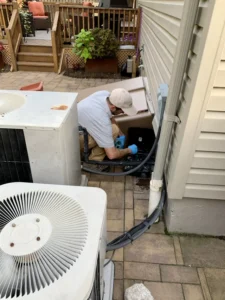
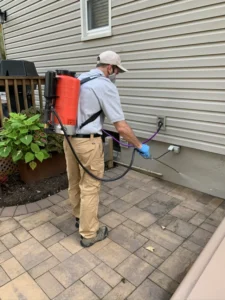
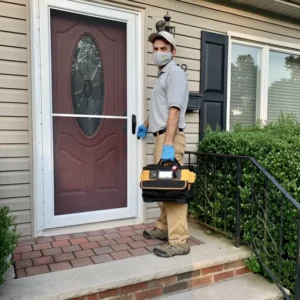
A pest problem feels very different when it turns urgent. One ant trail in the kitchen can wait a day or two. A wasp nest over the front door, scratching in the attic at midnight, or rodents chewing near electrical wiring cannot. In Warren County, emergency calls tend to come in waves, often tied to weather, season changes, harvest cycles, and the ordinary wear of homes and commercial buildings. Heavy rain pushes insects indoors. The first cold snap sends mice looking for warmth. A hot stretch in midsummer can make yellowjackets unusually aggressive around trash enclosures, decks, and entry points.
When people search for Pest Control Services Warren County residents can count on in a rush, they are usually not looking for a routine maintenance visit. They need someone who can judge risk quickly, separate nuisance issues from true hazards, and act without making the situation worse. Speed matters, but so does restraint. The best emergency response is not just fast. It is accurate, safe, and tailored to the building, the pest, and the people inside.
What counts as a pest emergency
Not every pest sighting requires same-day service, but some situations deserve immediate attention because the risk is real. Stinging insects are high on that list, especially when the nest sits near a doorway, play area, mailbox, or outdoor seating space. In Warren County, yellowjackets and paper wasps can turn a normal afternoon into a medical event in minutes, particularly for anyone with allergies.
Rodent activity can also rise to the level of an emergency. A single mouse in a garage is one thing. Repeated sightings in a restaurant kitchen, droppings in a pantry, or noises in the wall near a breaker panel are another matter entirely. Rodents contaminate food, spread bacteria, and damage insulation, wood, and wiring. I have seen small gaps behind utility lines lead to very large interior infestations once temperatures dropped outdoors.
There are also structural and sanitation issues that require immediate action. A sudden cockroach outbreak in a multifamily property, bed bugs discovered hours before guests arrive, or flies emerging around a drain area in a commercial kitchen can disrupt business and put reputations at risk. In those cases, the problem is not just biological. It is operational. Delay can compound the cost.
Wildlife creates its own category of emergency. A bat in a bedroom, a raccoon tearing through soffits, or squirrels trapped in a wall cavity all require a measured response. Panic often leads people to seal exits too soon, use store-bought products that do nothing, or attempt removal without understanding state regulations or disease concerns. Fast service is valuable here, but expertise matters even more.
Why Warren County homes and businesses see sudden infestations
Local pest pressure is rarely random. Warren County has a mix of older homes, newer subdivisions, wooded lots, agricultural edges, restaurants, warehouses, and multifamily buildings. Each setting creates predictable vulnerabilities. Older properties often have settled foundations, aging weatherstripping, and hidden voids that make entry easy. Newer buildings can have tight construction in some areas but landscaping, mulch beds, and irrigation setups that invite ants and moisture-loving pests right up to the structure.
Weather drives a lot of the emergency call volume. After prolonged rain, ants, earwigs, and occasional invaders move indoors to escape saturated ground. During dry spells, pests seek water from sinks, condensation lines, and pet bowls. Fall is the classic rodent season, but spring can be just as busy for overwintered populations that start breeding once conditions improve.
Commercial properties face a different rhythm. Deliveries, dumpsters, floor drains, grease, cardboard storage, and employee traffic all increase pest opportunities. A restaurant can be very clean and still have a sudden issue after one overlooked door sweep fails or a drain line develops buildup. Warehouses often discover rodents after inventory shifts create quiet nesting zones. Property managers in apartment communities learn quickly that one untreated unit can become a building-wide problem if response lags.
The first hour matters more than most people realize
The biggest mistake I see during an active pest problem is the urge to attack it immediately with whatever product is easiest to grab. That is understandable, but it often muddies the diagnosis. Spraying visible ants without finding the colony, disturbing a wasp nest during the wrong time of day, or scattering rodent bait where children or pets can reach it can turn a manageable problem into a dangerous one.
The first hour should focus on assessment and stabilization. If there is a swarm of stinging insects, people need distance and controlled movement, not loud attempts at DIY removal. If rodents are discovered in a food prep area, contaminated items should be isolated and the area secured until proper cleaning and inspection happen. If a bat is found in a sleeping area, the room should be closed off and the animal should not be released before speaking with a qualified professional or Pest Control Services Warren County local health guidance, because exposure questions matter.
A calm, informed response usually saves time. It also gives the technician a cleaner picture when they arrive. Good emergency pest work starts with evidence, not assumptions.
What a real emergency pest control response should look like
A credible emergency visit is not just someone showing up with a sprayer. It starts with triage. The company should ask enough questions to understand what is happening, who is at risk, where the activity is concentrated, and whether there are children, pets, elderly occupants, or medically sensitive individuals in the space. A commercial caller should expect questions about food handling, customer access, and whether the issue threatens operations.
Once on site, the technician should identify the pest before deciding on treatment. That sounds obvious, but urgency can tempt people to treat symptoms instead of causes. A cluster of winged insects near a window could be flying ants, or it could be termite swarmers. The response is very different. Scratching in the attic might be mice, squirrels, or even birds. Proper identification protects both the property and the budget.
A strong response usually includes a combination of immediate control and near-term prevention. For stinging insects, that may mean safe nest treatment and confirmation of entry routes or attractants nearby. For rodents, it often means trapping, exclusion planning, and sanitation guidance rather than just dropping bait and leaving. For cockroaches, it may involve targeted treatment, harborage inspection, moisture evaluation, and a follow-up schedule because no honest professional should pretend one visit solves every heavy infestation.
The best emergency technicians also communicate clearly. They explain what they found, what they treated, what remains to be done, and what the homeowner or manager should monitor over the next 24 to 72 hours. That clarity matters. People call in a panic. They should leave the interaction with a plan.
Situations that deserve immediate professional help
- Stinging insects near entrances, children’s play areas, or high-traffic work zones
- Rodents seen repeatedly indoors, especially near food storage or electrical systems
- Bats in living spaces, particularly bedrooms or rooms where people were sleeping
- Sudden cockroach, fly, or ant activity in restaurants, clinics, or multifamily units
- Wildlife damaging attics, soffits, vents, or wall cavities
These are the cases where waiting often increases health risk, repair costs, or both. They are also the cases where improvised treatment tends to backfire.
Common emergency calls and how they are usually handled
Wasps, hornets, and yellowjackets
Stinging insect calls are some of the most time-sensitive because the risk is immediate and visible. The danger varies by species and nest location. A small paper wasp nest under an eave may be straightforward if handled properly. Yellowjackets nesting underground or inside wall voids are another matter. They can defend a nest aggressively, and mowing, trimming, or even footsteps can trigger attacks.
Professional treatment typically considers timing, nest structure, access, and the safety of people nearby. There is also judgment involved. Removing a visible nest is one thing. Treating insects that are entering a wall void through a gap around siding or trim may require a different strategy to avoid driving them deeper into the structure.
Rodents in walls, kitchens, and basements
Emergency rodent work is often less dramatic than a wasp call, but in many properties it has bigger long-term consequences. A mouse population can expand quietly. Rats, where present, raise the stakes further. The core issue is rarely just the animal you saw. It is the access point, food source, and nesting environment behind it.
In homes, fast service should include inspection of common entry areas such as utility penetrations, sill plates, garage door corners, attic vents, and gaps around masonry transitions. In commercial settings, technicians should also be looking at receiving doors, compactor areas, storage practices, and sanitation breakdowns. Quick relief may come from trapping and strategic placement, but sustainable relief comes from exclusion and habitat correction.
Roaches in apartments and commercial spaces
Roach emergencies often carry a social dimension. Tenants are upset. Staff are embarrassed. Managers want the problem gone yesterday. The challenge is that severe infestations are rarely fixed by broad spraying alone. Roaches exploit hidden voids, warm motors, plumbing penetrations, grease films, and clutter. If neighboring units or adjacent suites are involved, treatment may need coordination.
This is where experience shows. A technician who understands population pressure, species behavior, and resistance patterns can make smart product and placement decisions without overapplying. They also know when to set expectations. Some infestations turn around quickly. Others require staged treatment and improved sanitation before results hold.
Bed bugs before travel, move-ins, or guest arrivals
Bed bugs cause a different kind of emergency. The issue may not be life-threatening, but it can feel overwhelming because it invades sleep, privacy, and trust. I have seen cases where a family found signs days before guests were due to stay, or a landlord discovered activity right before a new tenant move-in. Panic usually leads to spreading the problem, carrying items room to room, or throwing away furniture that could have been treated.
A good emergency response starts with confirmation. Not every bite is a bed bug bite, and not every stain on bedding tells the full story. Once confirmed, the plan depends on the severity, the layout, and whether adjoining rooms or units are involved. Timing matters here as much as treatment method.
Wildlife in attics and living areas
Raccoons, squirrels, bats, and birds create urgent calls because of the noise, smell, and visible damage they cause. But wildlife emergencies require patience and legal awareness. Sealing openings while young animals remain inside creates a much worse problem, both ethically and practically. Dead animals in inaccessible voids lead to odor, insects, and additional remediation costs.
A sound emergency visit identifies species, active entry points, and whether the issue can be resolved immediately or needs a staged exclusion. In some cases, temporary containment is the right first move while a full removal and repair plan is arranged.
What homeowners should do before the technician arrives
There are a few practical steps that genuinely help and a lot of well-meant actions that do not. If the issue involves stinging insects, keep people and pets away from the area and avoid disturbing the nest. If rodents or roaches are involved, do not deep clean away all evidence before inspection. Wipe up active spills, yes, but leave enough signs for proper identification and mapping. If wildlife is in a room, isolate the room if possible and reduce noise and traffic.
For commercial properties, preserve a clear path to the problem area and have someone on site who can answer questions about timing, sightings, cleaning schedules, recent deliveries, or maintenance changes. That context often shortens the diagnostic process.
The most useful preparation is simple documentation. A few photos, the time of day activity was noticed, and where pests were entering or clustering can save guesswork. It does not need to be elaborate. It just needs to be accurate.
A short checklist for handling the situation safely
- Move people and pets away from the affected area
- Do not apply multiple store-bought products before inspection
- Save photos, sightings, and times of activity
- Secure exposed food and obvious contamination
- Call for professional guidance if there is any bite, sting, or exposure concern
That small amount of restraint can prevent accidental poison misuse, hidden nest disturbance, and loss of critical evidence.
The trade-off between speed and thoroughness
People often ask the same question in different words: can you fix it today? Sometimes yes. Sometimes partly. The honest answer depends on the pest and the setting.
A visible wasp nest near a doorway may be treated the same day with immediate risk reduction. A mouse problem that has been developing for months is unlikely to be fully solved in one visit, even if the initial response is fast and effective. A roach outbreak in a restaurant may need same-day intervention to stabilize the problem, but full control may require follow-up after sanitation corrections and structural repairs.
This is where professional judgment matters most. Fast service that creates a false sense of completion is not good service. On the other hand, overcomplicating a straightforward issue is just as unhelpful. Good emergency pest control balances the need for relief now with the reality of how pests behave over time.
How to judge whether a pest control company is prepared for emergencies
Not every company that offers general pest service is equipped for genuine emergency response. The difference often shows up in the first phone call. A prepared team asks focused questions, gives realistic arrival windows, and does not promise magical outcomes before seeing the site.
Look for clarity around identification, treatment safety, and follow-up. Ask whether the technician will inspect for root causes or simply perform a one-time application. If the property is commercial, ask how they document findings for management or compliance needs. If children, pets, or sensitive occupants are involved, ask how they adjust products and procedures.
It is also worth noting what a company does not say. Be cautious with anyone who guarantees complete eradication of every pest on the first visit without qualification. Pest biology rarely works that neatly. Credibility often sounds less flashy and more precise.
Preventing the next emergency
Emergency service solves the urgent problem in front of you. It should also feed into prevention, or else the call becomes part of a cycle. In Warren County, long-term prevention usually comes down to four things: exclusion, moisture control, sanitation, and monitoring.
Exclusion means sealing the places pests actually use, not just the obvious holes at eye level. Mice can enter through surprisingly small gaps. Wasps exploit construction voids and sheltered overhangs. Roaches and ants use plumbing and utility pathways that many owners never inspect. Moisture control is just as important. Wet crawl spaces, leaking hose bibs, condensation lines, and poor drainage create ideal conditions for many pest species.
Sanitation does not mean perfection. It means reducing the resources that sustain infestations. In a home, that could be pet food storage, unsealed pantry goods, or cluttered utility areas. In a business, it may involve drain maintenance, dumpster management, stock rotation, and cleaning behind equipment where residue builds quietly over time.
Monitoring closes the loop. Sticky monitors, routine inspections, and staff reporting protocols catch small problems before they become after-hours emergencies. That is especially valuable in apartment communities, food businesses, and properties with a history of repeat activity.
The hidden cost of waiting
Emergency service can feel expensive when you were not planning for it, but delay has its own price. I have seen homeowners postpone rodent work until ceiling stains, odor, and chewed wiring forced a much bigger repair bill. I have seen restaurant managers hope a fly issue would pass on its own, only to lose days of smooth operation while the underlying drain problem worsened. I have seen small yellowjacket nests ignored until late summer, when nest size and aggression made the area unusable.
Pests exploit hesitation because they are built for it. They breed, spread, chew, stain, contaminate, and return to reliable shelter. Once a problem crosses from nuisance into active threat, the cheapest day to address it is usually the day you notice it.
Fast help is most useful when it is the right help
When people search for Pest Control Services Warren County property owners recommend in urgent situations, what they really want is confidence. They want someone to show up, identify the problem correctly, reduce the immediate risk, and tell them the truth about what comes next. That is the standard worth looking for.
Emergency pest control is not about dramatics. It is about disciplined response under pressure. The right technician does not just treat pests. They read the building, the season, the evidence, and the human stakes. In Warren County, where homes and businesses face a wide range of seasonal pest pressures, that kind of measured speed makes all the difference between temporary relief and a problem that stays solved.
Affordable Pest Solutions LLC
Budd Lake, NJ 07828 (service-area business)
Serving Warren, Morris and Sussex Counties, New Jersey
Phone: +1 973-229-9547
FAQ About Pest Control Services Warren County
How much does pest control cost in NJ?
The cost depends on the pest, the size of the property, the extent of activity and whether follow-up visits are needed. Ask for an inspection and a written estimate that explains the treatment scope and any ongoing service charges. Affordable Pest Solutions offers free estimates for properties in its service area.
What are the most common household bugs in New Jersey?
Ants, cockroaches, stink bugs and spiders are among the pests that residents may encounter in New Jersey homes. Activity varies by season, moisture conditions and available entry points. Correct identification helps determine whether exclusion, sanitation, monitoring or professional treatment is appropriate.
What kind of bugs infest homes?
Ants, cockroaches and termites can establish persistent activity in or around homes. The signs and appropriate response differ by pest: trails, droppings, shed wings or damaged wood may warrant closer inspection. A pest professional can identify the cause and recommend a plan suited to the property.